

Principles: Data-Driven Wood Wall Art
Bark & Beam Chicago is a studio practice grounded in judgment, structure, and material craft.
Across wall works and furniture, the work begins with defined parameters and is resolved through analysis, material engagement, and use.
The practice operates between art and engineering, surface and structure. The aim is not precision for its own sake, but work that endures intellectually, materially, and in daily life.
“Between art and engineering, inquiry and craft shape work that holds structure and character in balance over time.”
Studio Principles.

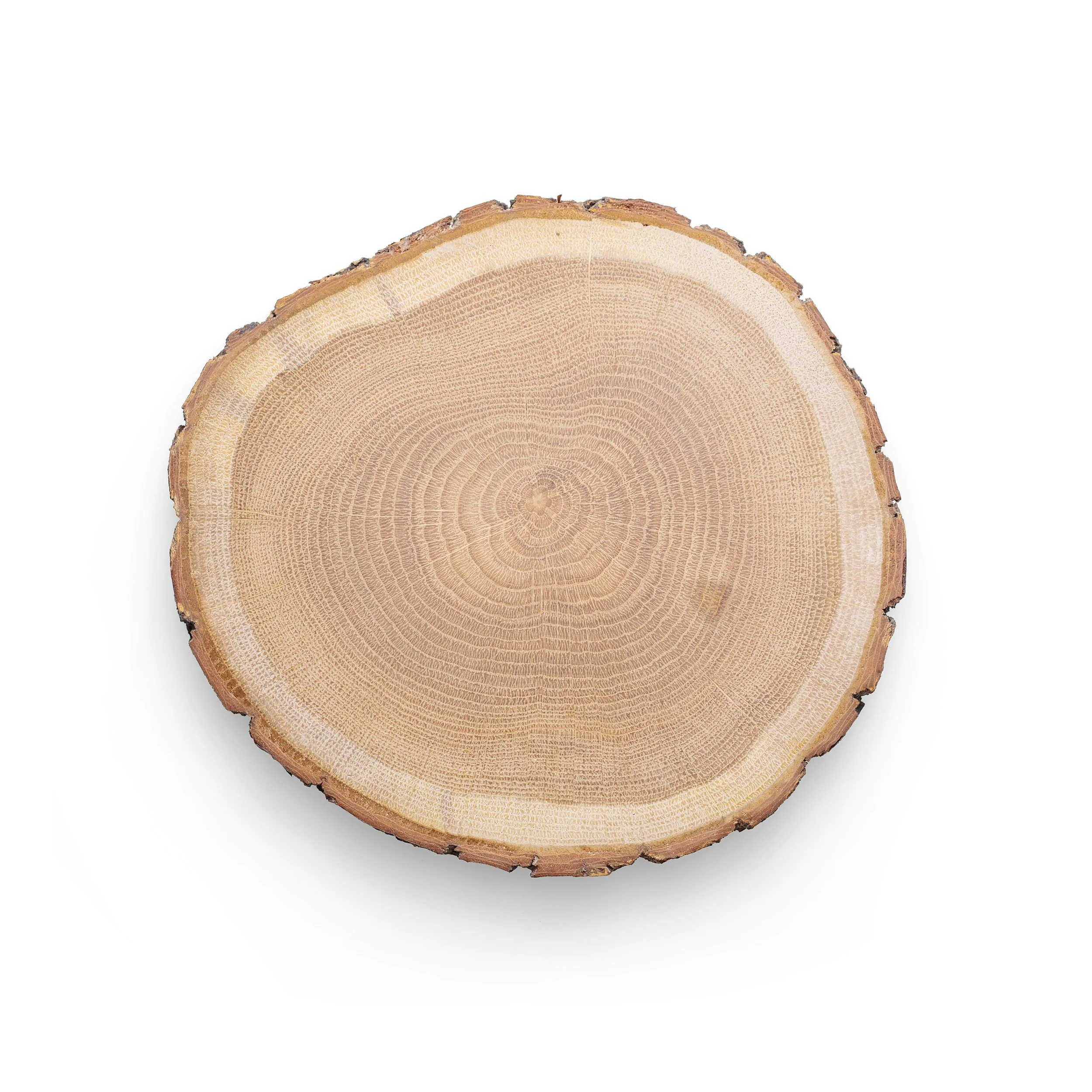


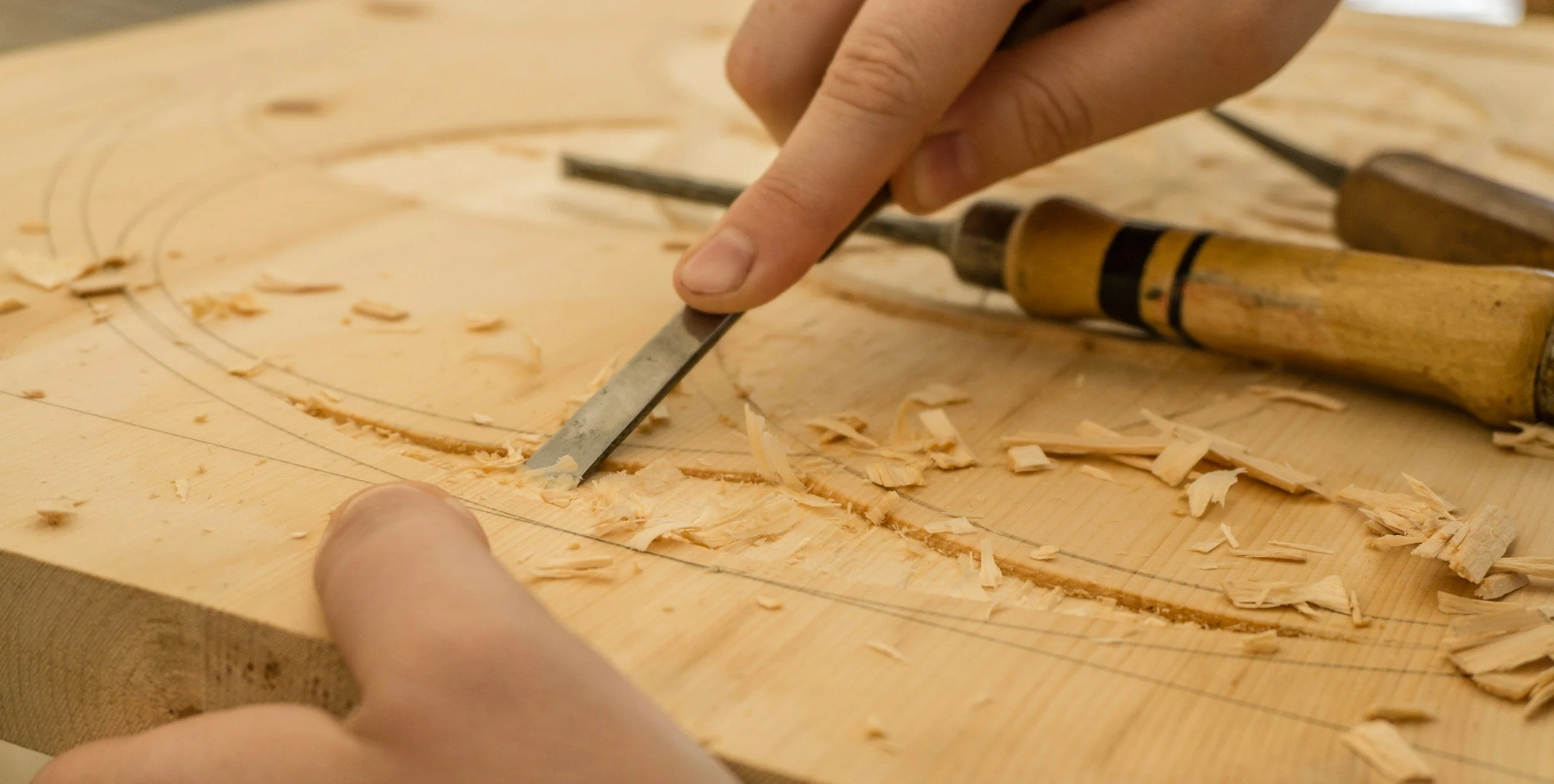
Design Approach.

Design at Bark & Beam Chicago begins with understanding the system at hand—whether a dataset, a spatial condition, or a functional requirement.
Analysis is used to establish limits, relationships, and structure. Decisions are guided by logic rather than habit, allowing complexity to resolve without simplification. Iteration serves clarity, not novelty.
The work does not illustrate information; it distills it—translating systems into objects meant to be experienced over time.
“Form follows understanding”
Material Practice.
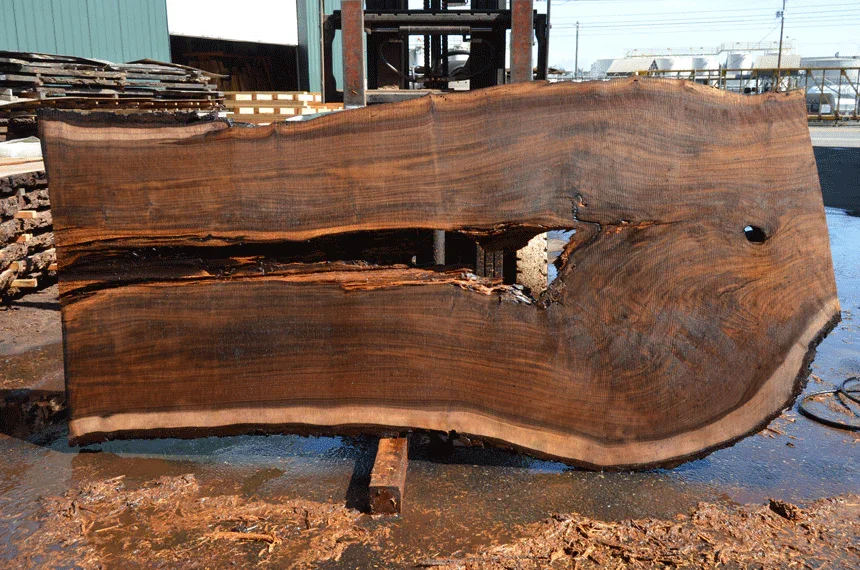
Making is where rigor meets reality.
Wood is treated as both material and collaborator—carrying variation, resistance, and memory that cannot be abstracted away. Grain, movement, and imperfection are not corrected out of the work, but incorporated within a disciplined structural framework.
Furniture and wall works are made with the expectation that they will change. Use, light, and time become part of the object’s character. The work remains steady not because it resists life, but because it was designed to accommodate it.
“We strip away the unnecessary to reveal the essential, building work that endures.”
Relief Standards.
-
![Blue digital data stream with lines and dots, creating a 3D tunnel effect and depicting research]()
Research
Global, gridded population datasets are used instead of country totals as country borders obscure how people actually occupy space.
Spatially distributed GDP (PPP) data is used rather than national GDP figures as economic activity is uneven within countries and must be spatially resolved.
Datasets span billions of individual data points at kilometer-scale resolution. This resolution preserves urban concentration, corridors, and gradients.
-
![A close-up view of interconnected black wires and clips forming a complex web against a light sky background representing extraction.]()
Extract
The Earth is reprojected using an equal-area map projection. Most world maps distort area, exaggerating high latitudes and minimizing the tropics.
Each grid cell represents the same physical land area. This allows population and economic values to be compared meaningfully across latitudes.
Antartica is clipped. Land cell threshold = 10% land fraction to avoid spurious micro-islands while retaining meaningful coastal structure.
-
![Abstract digital illustration with layers of white and blue cubic blocks arranged in a geometric pattern, giving a 3D and technological appearance. This represents transformation.]()
Transform
Bark & Beam uses a fixed rectangular grid per version. Countries are intersected with grid cells to compute land area per cell.
GDP is aggregated as a zonal sum over the GDP rasterized surface. GDP values are logarithmically scaled before binning as global economic output spans orders of magnitude.
Population density is computed as “people per km² of land within the cell”, not per total cell. This choice prevents coastal cells or fragmented land cells from being artificially diluted by ocean area.
-
![A person uses a band saw to cut a piece of wood, with their hand steadying the wood on a workbench and depicting fabication.]()
Fabricate
Three different wood species encode population density. This allows for material variation to be perceived without explanation.
Relief height encodes economic output. Vertical difference conveys magnitude intuitively.
Each block is milled to a fixed footprint and assigned height. The dimensional accuracy preserves spatial relationships.
Final pieces are framed and mounted using a concealed cleat system. The work is meant to float, not hang like a poster.





Authorship.

Bark & Beam Chicago is an independent studio practice led by Duggi.
His background spans engineering, strategy and operations —fields centered on understanding complex systems and making decisions meant to endure beyond first impressions. Alongside full-time professional work, he has maintained a long-standing woodworking practice grounded in patience, structure, and material response.
What began as a counterbalance to abstraction became a parallel discipline: shaping material slowly, responding to structure, and finding meaning in the physical realities of making. Across both pursuits, the same values apply—careful thinking precedes action; parameters bring clarity; good work takes time.
“Woodworking is a discipline of a thousand judgments. It demands the rigor of the analyst and the soul of the maker.”